
Most first-time visitors to Rome see the Colosseum, the Trevi Fountain, and the Vatican, then leave thinking they've seen the city. They've seen its monuments. Not necessarily the city itself, which is really a patchwork of distinct neighborhoods, each with its own pace and character.
Trastevere: Where Rome Actually Feels Local
Across the Tiber from the historic center, Trastevere's cobblestone lanes and ivy-covered buildings have made it popular enough that it's no longer a secret, but it's still where much of Rome's genuine evening life happens. Its restaurants tend toward traditional Roman cooking. Cacio e pepe, carbonara, and amatriciana all originated from this kind of neighborhood trattoria tradition. And its piazzas fill with both locals and visitors after dark rather than closing down early.
Monti: The Understated Alternative to the Center
Wedged between the Colosseum and Termini station, Monti is Rome's oldest rione (district) and among its most walkable. Vintage shops, small wine bars, and artisan workshops along narrow streets that see a fraction of the foot traffic near the major monuments just minutes away. It's an easy base for a first visit precisely because everything central is walkable from it, without the noise and inflated prices of staying directly next to the Colosseum.
Testaccio: Rome's Food Neighborhood
Built around a 19th-century slaughterhouse district, Testaccio remains the neighborhood most associated with authentic Roman cuisine, particularly the city's tradition of quinto quarto. Dishes built from cuts of meat that were historically given to slaughterhouse workers as partial payment. The Testaccio Market is a genuine, non-touristy food market worth visiting even just to see how Romans actually shop, and the surrounding trattorias are consistently better value than anything near the tourist center.
The Vatican: Plan It Separately
The Vatican Museums and St. Peter's Basilica deserve a dedicated half or full day, not a rushed add-on to a day already built around the Colosseum and Forum. The two areas are on opposite sides of the city and trying to combine them leads to exhaustion rather than a good experience of either. Book Vatican Museum tickets online in advance regardless of season; walk-up lines regularly exceed two hours in summer.
The Ancient Core: Worth the Early Start
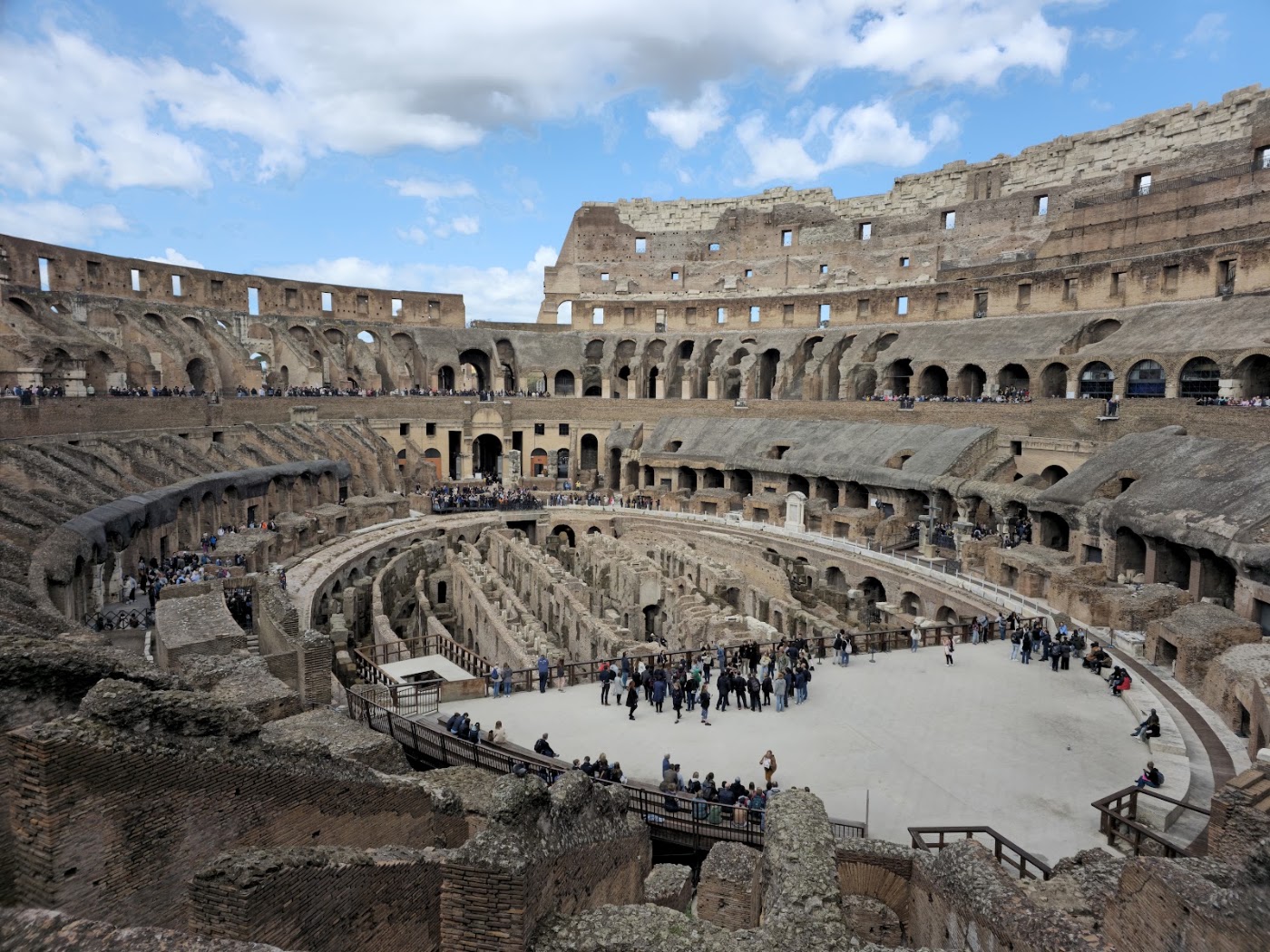
The Colosseum, Roman Forum, and Palatine Hill are sold on a single combined ticket and deserve a genuinely early start. The site opens at 8:30am most of the year, and arriving at opening avoids both the worst heat and the largest tour groups, which build steadily from mid-morning onward.
Practical Notes
- Getting around: Rome's historic center is best explored on foot. The metro network is limited compared to other major European capitals because of the difficulty of tunneling through archaeological layers.
- Best months: April–May and late September–October offer the best balance of weather and crowd levels, avoiding the intense heat and peak tourist volume of July and August.
- Water: Rome has hundreds of free public drinking fountains (nasoni) throughout the city. Carrying a reusable bottle saves money and avoids constantly buying bottled water in the heat.
- Dress code: St. Peter's Basilica and other churches enforce a modest dress code, shoulders and knees covered, and will turn away visitors who don't comply.