
Los Angeles resists the kind of tidy itinerary that works for more compact cities. It's less a single city than a collection of distinct areas spread across roughly 500 square miles, connected by freeways that don't always cooperate. Visitors who plan around that reality have a much better trip than those who try to treat it like a walkable downtown-centered city, because for the most part, it isn't one.
Accept the Driving, Plan Around It
Almost every LA itinerary benefits from grouping activities by neighborhood rather than by "must-see" priority alone, because crossing the city at the wrong time of day can turn a 20-minute drive into 90 minutes. Rush hour runs roughly 7–10am and 3:30–7pm on weekdays, and it affects nearly every major freeway. If a rental car isn't essential to your plans, rideshare works well for point-to-point trips within a single area, but it adds up quickly if you're trying to cover multiple distant neighborhoods in one day.
The Neighborhoods Worth Building a Day Around
Santa Monica and Venice pair naturally. The Santa Monica Pier and its long stretch of beach connect directly to the Venice Beach boardwalk via a flat, walkable (or bikeable) beachfront path. Venice's canals, a few blocks inland from the boardwalk, are a quieter, less-visited surprise most first-timers don't know exist.
Hollywood is worth a few focused hours rather than a full day for most visitors. The Walk of Fame and TCL Chinese Theatre are the core sights, and the surrounding blocks lean touristy. The Hollywood Sign is better viewed and photographed from a distance (Griffith Observatory or one of several hiking trail viewpoints) than approached directly, since the closest public access points are a real hike, not a quick stop.
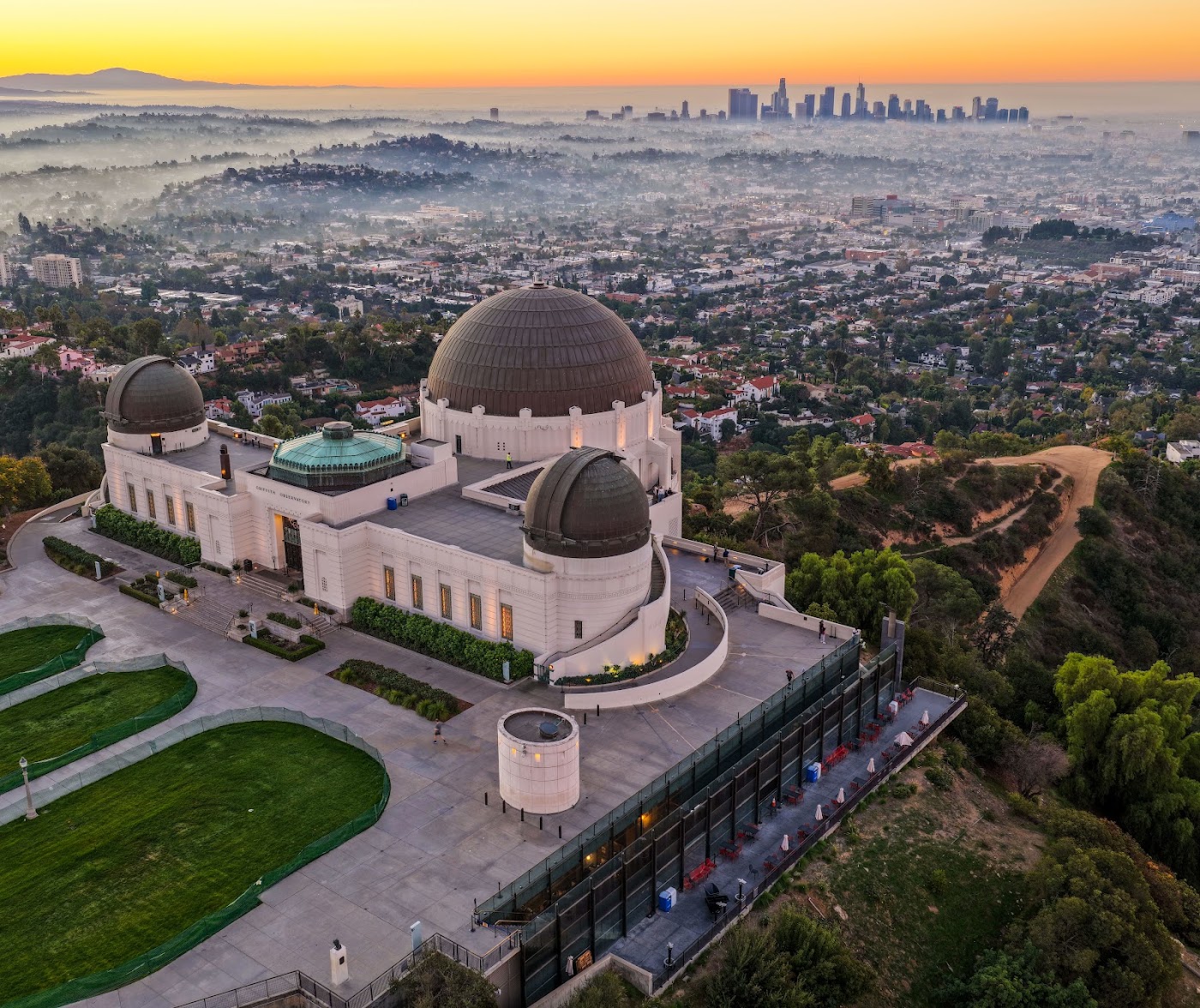
Griffith Park and the Observatory give the best free view over the city, along with genuine hiking trails minutes from the urban core. A rare combination in a city this size. Sunset is the busiest time at the Observatory, so arriving an hour before golden hour secures a decent parking spot.
Downtown LA has changed substantially in the last decade, particularly the Arts District, which now holds some of the city's best coffee, breweries, and restaurants in converted warehouse spaces. It's genuinely worth a visit despite downtown LA's mixed reputation among longtime residents.
Silver Lake and Los Feliz represent the LA that doesn't appear in postcards. Walkable, hilly, residential neighborhoods with an independent coffee shop and bookstore scene that reflects how a large share of Angelenos actually spend a weekend.
Food Is Not an Afterthought Here
LA's food scene is shaped heavily by the city's size and diversity. Genuinely excellent Korean food in Koreatown, some of the best Mexican food outside Mexico spread across East LA and beyond, and a food truck culture that predates its current trendiness elsewhere. Grand Central Market, downtown, brings a concentrated sample of this range under one historic roof and makes an easy, low-commitment lunch stop between downtown sights.
Practical Notes
- Airport: LAX serves the most routes, but Burbank (Hollywood Burbank Airport) is often more convenient and less congested if your trip centers on the Valley, Hollywood, or the eastside neighborhoods.
- Weather: Coastal areas (Santa Monica, Venice) run noticeably cooler and foggier in early summer mornings ("June Gloom") than inland neighborhoods just a few miles away.
- Beach parking: Santa Monica and Venice both have paid public lots that fill early on weekends. Arriving before 10am on a summer weekend meaningfully improves your parking odds.
- Studio tours: Warner Bros. and Universal Studios both offer real working-studio tours (distinct from Universal's theme park side). Worth booking ahead if a behind-the-scenes look at actual production is more interesting to you than rides.