
Forty-eight hours is not enough time to see London properly, nothing short of a lifetime really is, but it's enough to get a genuine feel for the city if you're deliberate about where you spend your time. Here's how to use it well.
Day One: Westminster to the South Bank
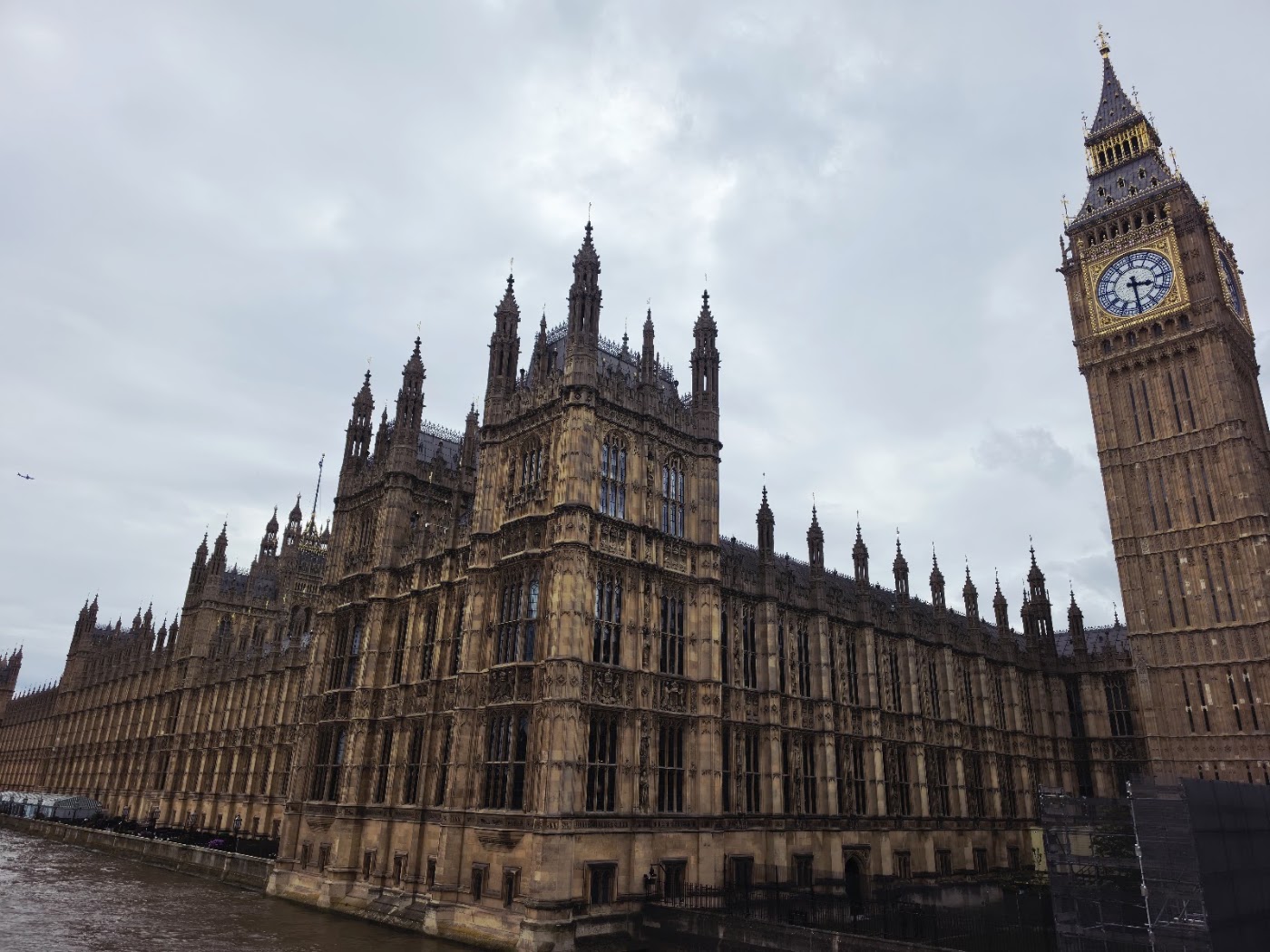
Start early at Westminster. The Houses of Parliament and Big Ben (technically the Elizabeth Tower) are at their best photographed before 9am, before the crowds build. Walk to Westminster Abbey, and if the timing works, catch Evensong (usually 5pm on weekdays) rather than paying for a full daytime visit. It's free, and hearing the choir in that space is more memorable than a self-guided walk-through.
Cross Westminster Bridge to the South Bank and walk along the Thames toward Tower Bridge. This stretch alone passes the London Eye, the Southbank Centre, Shakespeare's Globe, and Borough Market. One of London's oldest food markets, and the best lunch stop on this entire route. Finish the day at the Tower of London if you have energy left, though it deserves at least two hours, so consider it for day two instead if you're pressed for time.
Day Two: Central London and the Museums
The British Museum opens at 10am and is free. The Rosetta Stone and the Egyptian galleries are the highlights most visitors prioritize, but the museum is vast enough that picking two or three sections in advance beats trying to see everything. From there, walk through Covent Garden for lunch and street performers, then continue to Trafalgar Square and the National Gallery, also free, with an entrance directly on the square.
Spend the afternoon in either Kensington (the Victoria and Albert Museum and Natural History Museum, both free, sit almost next to each other) or Camden, for a completely different, younger, market-driven energy with the famous Camden Lock market and canal-side walk.
Where the 48-Hour Itinerary Falls Short
Two days genuinely isn't enough for Notting Hill, Shoreditch, Greenwich, or a proper look at any single museum. If you can stretch to three or four days, add Greenwich (for the Royal Observatory and the Prime Meridian line) and Shoreditch (for street art and the best independent food scene in the city) before anything else.
Getting Around
The Underground (the Tube) is the fastest way between the areas above, but London is also a genuinely excellent walking city, and the routes above are designed to let you walk between most stops rather than constantly going underground. A contactless bank card taps directly onto Tube and bus readers. There's no need to buy a separate Oyster card unless you're staying for an extended period.
Practical Notes
- Free museums: The British Museum, National Gallery, V&A, Natural History Museum, and Tate Modern are all free to enter. Donations are welcome but not required.
- Weather: Pack a compact umbrella regardless of season or forecast. London rain is frequent, light, and unpredictable.
- Booking ahead: The Tower of London and Westminster Abbey both benefit from booking timed tickets online in advance, especially April through September.
- Tipping: Not expected at pubs or counter service; 10–12.5% is standard at sit-down restaurants, sometimes already added as a service charge. Check the bill before adding more.